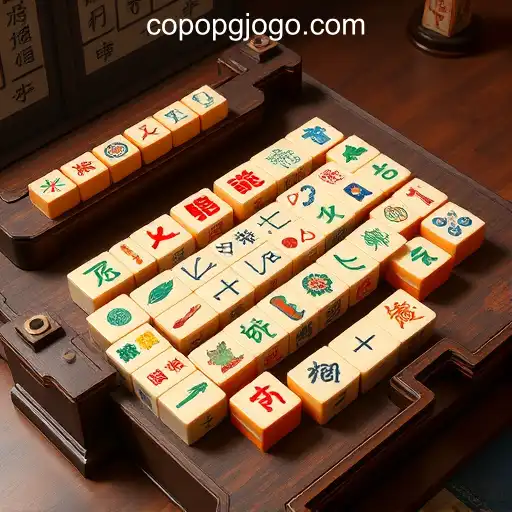
The Rich Tradition and Cultural Significance of Mahjong
The game of Mahjong, often referred to as a fascinating blend of skill, strategy, and chance, occupies a special place in the cultural heritage of East Asia. Originating in China, Mahjong's appeal has transcended national and cultural frontiers, evolving over centuries and becoming a beloved pastime worldwide. In this exploration of Mahjong, we delve into its origins, the multifaceted rules across versions, and its cultural significance both historically and in contemporary settings.
The Intriguing Origins of Mahjong
Mahjong is believed to have been developed in the 19th century, with its earliest versions emerging from the merging of various card and domino games played in ancient China. Historical accounts often point to the emergence of Mahjong during the Qing Dynasty, although the exact origins remain somewhat shrouded in mystery. According to popular myth, Confucius, the Chinese philosopher, is speculated to have invented the game, although historical timelines do not support this claim.
The name 'Mahjong' translates to 'sparrow' in Chinese, possibly referencing the clattering sound of the tiles that resemble sparrows chattering. This auditory symphony, accompanied by the tactile engagement of tiles, enriches the gaming experience, making Mahjong not just a visual but a multisensory enjoyment.
The Fundamental Elements of Mahjong
A typical Mahjong set consists of 144 tiles, divided into categories such as Bamboo, Characters, and Circles, along with several honor and bonus tiles. Players aim to build complete hands, often comprising sequences and triplets, by drawing and discarding tiles strategically. Despite its apparent simplicity, Mahjong requires meticulous calculation and foresight, challenging players to both anticipate opponents' strategies and adapt their own.
Mahjong's gameplay is intricately designed, facilitating vast variations that adhere to the regional and cultural preferences of its players. Whether it's the quick-paced Japanese Riichi Mahjong or the strategic American variant that includes jokers and score cards, the game has continually evolved while retaining its core principles.
Mahjong as a Cultural Symbol
Mahjong is more than just a game. In many cultures, it holds profound social importance, serving as a medium for cultural expression and community bonding. Among families, it is a cherished tradition, often passed down through generations, reflecting familial ties and communal relationships. Mahjong is ubiquitous during major festivities such as the Chinese New Year, where it symbolizes prosperity and good luck for the coming year.
In recent decades, Mahjong has found a new audience. As digital platforms expand globally, so too does the reach of Mahjong, inviting intrigue and participation from diverse cultural backgrounds. Platforms such as CopoPG.com Oficial Slots Brasil #1 have embraced games like Mahjong within their offerings, highlighting the game's international appeal and versatility. For many, these platforms present opportunities to connect with Mahjong in ways that transcend traditional play.
Modern Adaptations and Global Influence
While Mahjong keeps its roots firmly planted in tradition, it has adeptly adjusted to the digital age. Online platforms offer players around the world the opportunity to experience the game without the need for a physical set or the requirement of a local gaming circle. This digital transition has not only preserved traditional practices but has also introduced Mahjong to a new generation of players.
Mahjong's reach extends beyond digital recreations. Its cultural motifs have influenced various aspects of popular culture, including literature, film, and design. Mahjong sets are often viewed as art forms, with exquisite craftsmanship that mirrors the cultural identity where the set was produced. From minimalist contemporary designs to intricately detailed traditional sets, Mahjong tiles reflect the creative ingenuity and regional characteristics of their creators.
The Role of Mahjong in Community and Identity
In communities where Mahjong is a common pastime, it acts as an anchor for social interactions, bringing individuals together in a shared pursuit. Whether played in bustling urban areas or in the quietude of rural settings, Mahjong tables are platforms for dialogue, storytelling, and laughter. Its inherent spirit of togetherness fosters connections, making it an integral part of social gatherings.
Furthermore, Mahjong symbolizes cultural identity, a tangible connection to heritage for diasporic communities. For many living outside their place of origin, Mahjong is a conduit for maintaining ties to their cultural roots, serving as a reminder and reinforcement of cultural legacy and tradition.
The driving passion for Mahjong around the globe underscores its timelessness and universal appeal. Whether explored through traditional tile sets or digital platforms such as CopoPG.com Oficial Slots Brasil #1, Mahjong continues to captivate and engage, offering a profound glimpse into the harmonious balance between chance and skill, modernity and tradition.